Cartography of human mind
The multi-billion dollar BRAIN Initiative aims to discover how chemical and electrical activity in brain circuits gives rise to human cognition and behavior, something that could also be used to treat neurological diseases.
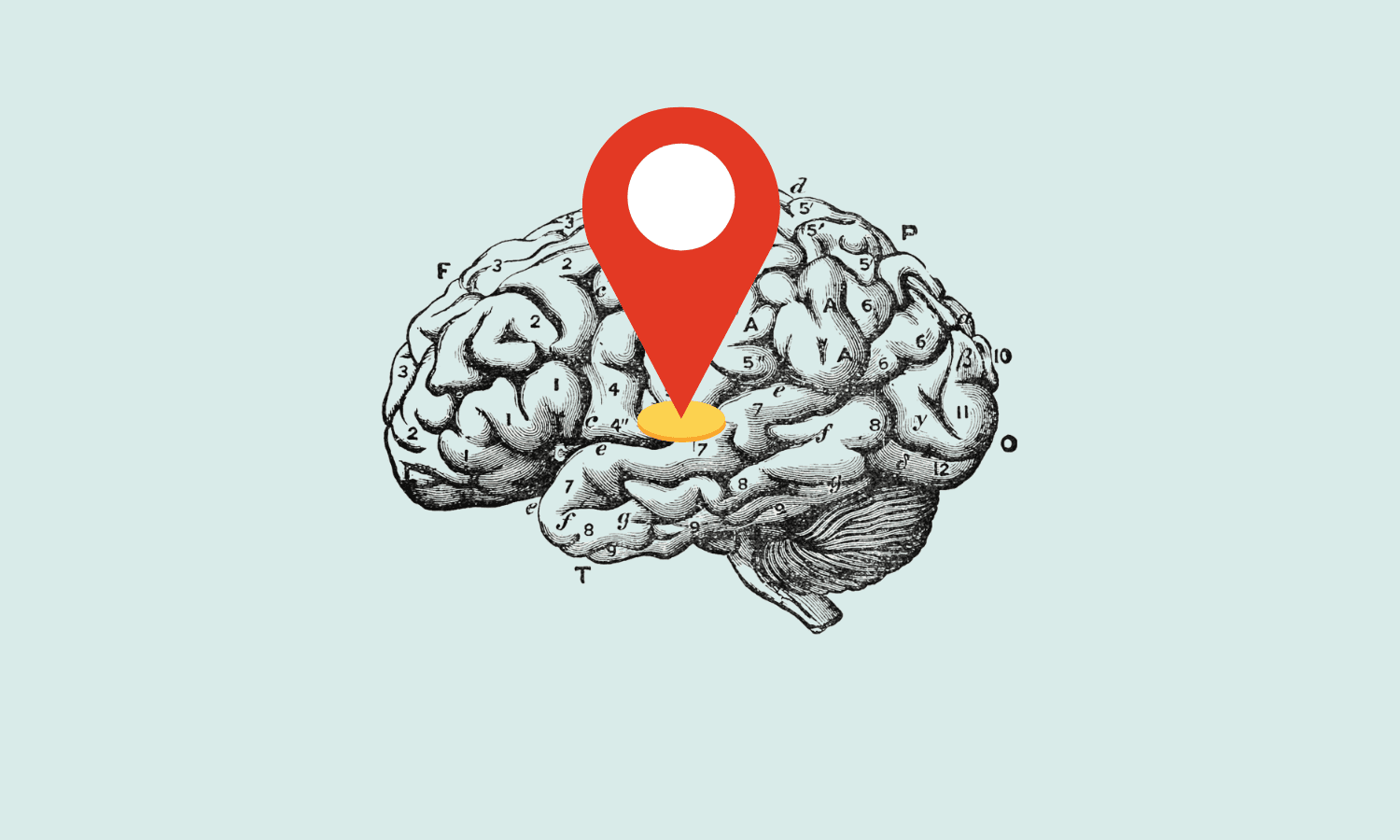
Once upon a time, in the 19th century, there was a French physician named Paul Broca who preserved hundreds of human brains in jars of formaldehyde. He theorized that if he could correlate a person's behavior with the anatomy of their brain (analyzed postmortem), he could explain the physical workings of the mind. In fact, Broca demonstrated in his studies that there are areas in the brain specialized for specific tasks, and that is why he is remembered today. At the beginning of the 20th century, Santiago Ramón y Cajal and his students described that the nervous system, including the brain, is composed of entities that would come to be called neurons; and years later, molecular biology demonstrated that these neurons have physiological properties and molecular components associated with their functions. Currently, our knowledge in neuroscience is infinitely broader, since neuroimaging and electrophysiology techniques are allowing us to observe brain activity in real time without the need for jars of formaldehyde.
However, the human brain is perhaps the most complex biological structure in the known universe, and as the Spanish neurobiologist Rafael Yuste points out, "our ignorance is so vast that we are still in the very early stages." Currently, only a small fraction of how this organ functions, or ceases to function, is known, both in healthy conditions and when it suffers from disease.
One of the biggest bets in neuroscience of the 21st century is the BRAIN Initiative (Brain Research through Advancing Innovative Neurotechnologies), a large-scale scientific project launched by the United States government in 2013, with a budget of over $400 million. Its main objective is to improve our understanding of the human brain. To achieve this, they aim to develop new technologies capable of creating super-precise images of how cells and neural circuits interact at the speed of thought, including functional magnetic resonance imaging (fMRI) and optogenetics. These technologies could open new doors to exploring how the brain registers, processes, uses, stores, and retrieves vast amounts of information, and could help us understand the links between brain function and human behavior. Furthermore, the discoveries will be applied to treat brain-related diseases such as Alzheimer's, Parkinson's, epilepsy, and psychological disorders.
BRAIN is inspired by the Human Genome Project, an international initiative from the 1990s that, in simple terms, aimed to understand the chemistry of DNA and map all human genes. It was, and remains, the world's largest collaborative biological project. In a few years, BRAIN could surpass it, given the growing public interest in this branch of research and the involvement of organizations such as the NIH, the National Science Foundation (NSF), and the Defense Advanced Research Projects Agency (DARPA), all based in the United States, as well as private foundations and research institutions. Furthermore, the BRAIN initiative boasts an interdisciplinary approach, encompassing a wide range of research areas, including neuroimaging, electrophysiology, molecular biology, and computational neuroscience. This involves collaborations between neuroscientists, engineers, computer scientists, and physicists (among many others) to develop new methods for recording and manipulating brain activity.
Today, there are over 500 scientific publications associated with this project, which have led to particularly significant advances in basic research on cell types, neural circuits, and in the development of computational neuroscience. For example, a recent study explores the role of psychedelic drugs in treating depression and attempts to discover which drugs do and do not bind to a specific serotonin receptor (5-HT2A) that, according to previous studies, could promote neuroplasticity.
Another innovative study—albeit small, involving only a couple of patients—discovered a potential new therapy for people with paralysis in their arms or hands using electrical impulses in the spinal cord. This study describes how stimulating the neural circuits of the spinal cord improves range of motion and strength in both the arm and hand of patients with paralysis. Similarly, a group of scientists from around the world, the Cell Census Network, has created a cellular, genetic, and structural map of the human brain and that of a primate. For several years, they have analyzed more than a million cells from over 100 brain regions. They have also identified more than 3,000 different types of brain cells. The result is a map of the brain with an unprecedented level of detail.
All this effort to answer a fundamental question: how does chemical and electrical activity in the brain's anatomical circuits work to create what we know as cognition and human behavior? Some acknowledge that we will never know. Others, more optimistic, say that we are closer than ever to understanding these processes. In any case, only time and the mathematicians of the human mind will provide the answer.